

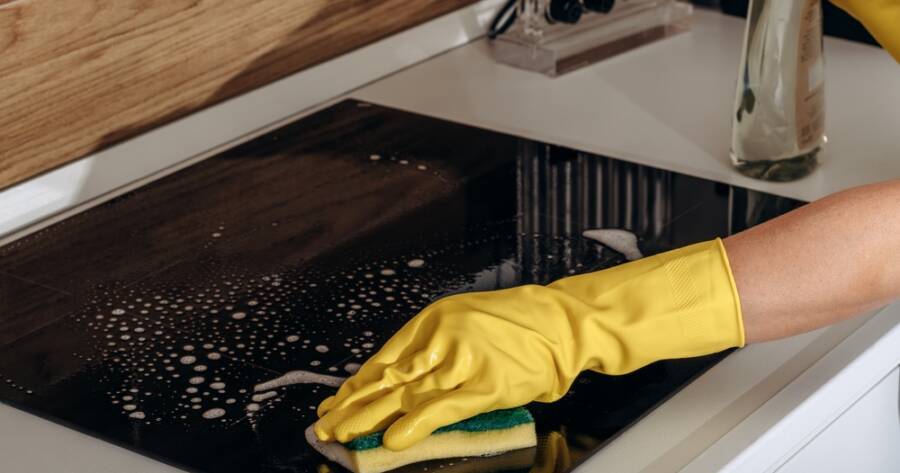
Stubborn stains on kitchen surfaces are no match for the right powdered cleaner. Understanding how different abrasive powders work, and which ones suit specific surfaces and messes, helps anyone achieve a truly clean kitchen without damaging what they’re scrubbing.
How Abrasive Powders Actually Remove Stains
Powdered kitchen cleaners work through a deceptively simple mechanism. Tiny mineral particles suspended in water create a scouring action against a surface, physically dislodging hardened food residue, grease deposits, and stains that liquid cleaners often fail to shift (source). This friction-based approach is what separates powders from spray cleaners and makes them especially effective on surfaces where buildup has had time to bond.
The primary ingredient in most commercial abrasive powders is calcium carbonate, which typically makes up between 90 and 95 percent of the product’s composition (source). Calcium carbonate is widely considered the mildest of all mineral abrasives, making it appropriate for a broad range of kitchen surfaces including sinks, tile, grout, laminate countertops, cookware, fiberglass, and even glass (source). Its gentleness allows regular use without the risk of visible scratching on most smooth finishes.
Beyond calcium carbonate, other natural minerals bring their own cleaning strengths. Baking soda, powdered borax, and salt all function as mineral abrasives that lift off hardened food particles, grease, tarnish, and staining through friction (source). Each of these options occupies a different point on the abrasion spectrum, which matters when choosing the right powder for the job at hand.
Three Powdered Cleaners for Different Kitchen Stains
For stubborn grease, baked-on food, rust, and discoloration, Bar Keepers Friend Powder Cleanser is one of the more versatile choices available in the U.S. Its formula uses oxalic acid alongside abrasive cleaning ingredients, giving it particular value for rust and mineral staining as well as heavily soiled stainless steel cookware. The manufacturer specifically recommends its powder cleansers for cutting through baked-on food, grease, and discoloration on pans (source). This makes it especially useful when a mild abrasive alone is not enough to tackle a difficult kitchen stain.
Bon Ami Powder Cleanser offers a gentler alternative for everyday scrubbing. Its abrasive ingredients include limestone and feldspar, and the manufacturer recommends it for surfaces such as countertops, glass-top stoves, sinks, cookware, and pots and pans with caked-on food (source). For heavier grease and burned-on residue, ARM & HAMMER Super Washing Soda takes a different approach. Sodium carbonate can be dissolved in water for ovens and range tops or applied dry to a damp sponge for stubborn deposits; the manufacturer also recommends a paste for greasy, burned-on cookware (source). It should not, however, be used on aluminum cookware or appliances.
Matching the Right Powder to the Right Mess
Not every powdered cleaner suits every situation. Baked-on grease, scorched sugar, or dried milk clinging to a pan or baking surface calls for a mineral abrasive that delivers real scouring power, since these sticky, stubborn residues need physical force to break free (source). For these tougher kitchen messes, products that combine abrasive particles with chemical cleaning agents perform significantly better than mild powders alone.
Bar Keepers Friend is one product that earns its reputation in this category. It contains oxalic acid alongside its abrasive base, which gives it a specific advantage when dealing with rust stains that mineral-only powders cannot chemically address (source). Bon Ami, by contrast, relies on calcium carbonate and feldspar without added bleaching agents, making it a preferred choice for those who want abrasion without harsh chemical additives.
Powdered OxiClean takes a different approach by pairing peroxide with washing soda, a combination that produces strong soil-removal performance across a wide range of kitchen stains (source). Washing soda on its own also deserves attention. When a cup of sodium carbonate dissolves in two quarts of water, the resulting solution can be sponged onto greasy buildup on walls, appliances, and grills with impressive results (source).
How to Apply Powdered Cleaners Correctly
Proper application makes a significant difference in both effectiveness and surface safety. The standard method involves scattering the powder directly from its container onto the target surface, adding a small amount of water, and then rubbing with a damp cloth to work the suspended particles across the stain (source). Letting the powder sit briefly before scrubbing can improve performance on particularly stubborn residue.
Abrasive strength must be matched to the surface in question. Coarser, harsher powders can handle outdoor stainless steel grills and oven baking racks without issue, but using the same product regularly on the shiny finish of a kitchen sink or appliance risks leaving visible scratches over time (source). Reserving stronger abrasives for surfaces that can tolerate them, and using milder calcium carbonate-based powders on delicate finishes, preserves the kitchen’s appearance while still achieving a thorough clean.
For a non-abrasive approach to certain stains, cream of tartar mixed with water into a paste can remove rust and brighten aluminum surfaces. When combined with vinegar rather than water, it also works as a cleaning agent for oven surfaces and cookware without introducing any abrasive scratching risk at all (source).
How Often Should Powdered Cleaners Be Used
Research into consumer cleaning habits points to powdered abrasive products being used in kitchen environments roughly 91 times per year on average, reflecting how integral they are to regular kitchen maintenance (source). That frequency underscores the importance of selecting powders that are both effective and appropriate for the surfaces receiving repeated treatment.
Kitchen sinks, gas stovetops, and work surfaces are the most common targets for abrasive powder application (source). These high-contact zones accumulate food residue, grease, and mineral deposits faster than other areas, making them the natural focal points for powdered cleaner use. A routine that pairs the right product with the right surface protects against both stubborn buildup and unnecessary wear.
Learn More About Kitchen Stain Removal Powders
Powdered kitchen cleaners represent one of the most versatile and scientifically sound approaches to surface stain removal available to households. Their effectiveness stems from the physical properties of mineral abrasives combined, in many products, with chemical agents that target specific types of staining like rust, grease, or oxidized soil. Understanding the differences between calcium carbonate-based powders, oxalic acid formulas, peroxide blends, and natural mineral options allows anyone to make smarter choices at the store and achieve better results at home.
Selecting the correct abrasive strength for each surface, applying it with the right technique, and using it at a sensible frequency all contribute to a cleaner, longer-lasting kitchen. The science behind these everyday products is more accessible than most people realize, and that knowledge translates directly into a more effective cleaning routine.