

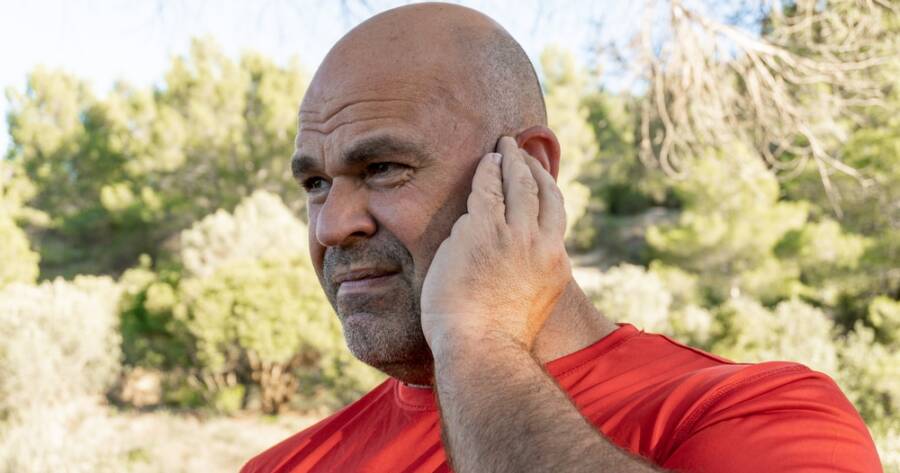
Persistent ringing, buzzing, or hissing in the ears affects millions of Americans, yet treatment options are evolving faster than many people realize. From brain-retraining devices to telehealth programs, researchers and clinicians are navigating fresh approaches that go well beyond traditional sound masking.
Why Tinnitus Support Is Changing
For a long time, people living with tinnitus were often told there was little that could be done beyond learning to cope. That picture is shifting. A growing body of research has pushed the field toward targeted therapies that address the neurological underpinnings of the condition rather than simply covering up the sound. This shift in thinking is driving meaningful interest in devices, structured programs, and even experimental compounds that aim to reduce how prominently tinnitus registers in daily life.
Part of what makes newer approaches so notable is their emphasis on neuroplasticity, the brain’s capacity to reorganize itself. By engaging this property deliberately, some therapies attempt to retrain auditory and sensory pathways so that tinnitus perception gradually diminishes. This is a fundamentally different goal than older masking strategies, and it is generating real enthusiasm among both researchers and patients.
Bimodal Neuromodulation and the Lenire Device
Among the most talked-about innovations is bimodal neuromodulation, a technique that pairs sound delivered to the ears with mild electrical pulses applied elsewhere on the body. The aim is to simultaneously engage the auditory and somatosensory systems, encouraging the brain to reorganize the neural activity associated with tinnitus perception (source).
The Lenire device, developed by Neuromod Devices, is currently the leading commercial product using this method and received FDA De Novo approval in 2023, with clinical trial data indicating it can meaningfully reduce tinnitus symptoms for many users (source). This regulatory clearance marks a significant milestone, signaling that bimodal neuromodulation has moved from the lab into legitimate clinical practice in the United States. Patients and audiologists are taking notice, as an FDA-cleared device provides a level of credibility that experimental options cannot yet offer.
The Levo System: Working With Sleep
Another FDA-cleared option generating interest is the Levo System, which takes a different angle by delivering customized sound therapy during overnight sleep. Rather than requiring active engagement during waking hours, this approach leverages the brain’s heightened neuroplastic activity during rest to promote desensitization to tinnitus-related sounds (source).
The concept of timing therapy to coincide with sleep is relatively novel in audiology. Because the auditory system remains active even during sleep, targeting that window with personalized sound profiles offers a practical way for patients to receive therapy without interrupting their daily routines. For people whose tinnitus disrupts sleep, this dual-purpose approach addresses both the symptom and one of its most disruptive downstream effects at the same time.
Progressive Tinnitus Management Through the VA
Outside of device-based therapies, structured clinical programs are also advancing the field. The U.S. Department of Veterans Affairs developed the Progressive Tinnitus Management program at the VA Portland Health Care System, and it has since been adopted broadly across VA and Department of Defense facilities nationwide (source).
This stepped-care program organizes tinnitus support into five levels, starting with foundational education and extending to more intensive interventions such as sound generators, masking techniques, and cognitive behavioral therapy (source). The graduated structure ensures that patients receive the level of care that matches their individual needs rather than applying a single blanket treatment to everyone.
Importantly, VA researchers also developed a telehealth adaptation of this program, and controlled trial data confirmed that remote delivery can produce meaningful tinnitus improvements comparable to in-person care (source). This is particularly relevant for Veterans, who face heightened tinnitus risk due to noise exposure during service and who may live far from specialized audiology centers. The telehealth model represents a practical way to extend access to evidence-based care for a population that needs it most.
Learn More About Tinnitus Treatment
The landscape of tinnitus support has changed considerably in recent years, and it continues to evolve. FDA-cleared devices like Lenire and the Levo System have moved bimodal neuromodulation and customized sound therapy from experimental concepts into real clinical tools. Structured programs like the VA’s Progressive Tinnitus Management model demonstrate that stepped, personalized care delivered even remotely can reduce the burden of the condition.
For anyone living with tinnitus, staying informed about these developments matters. The options available today are more varied, more targeted, and more accessible than at any previous point, and that progress is worth understanding.