

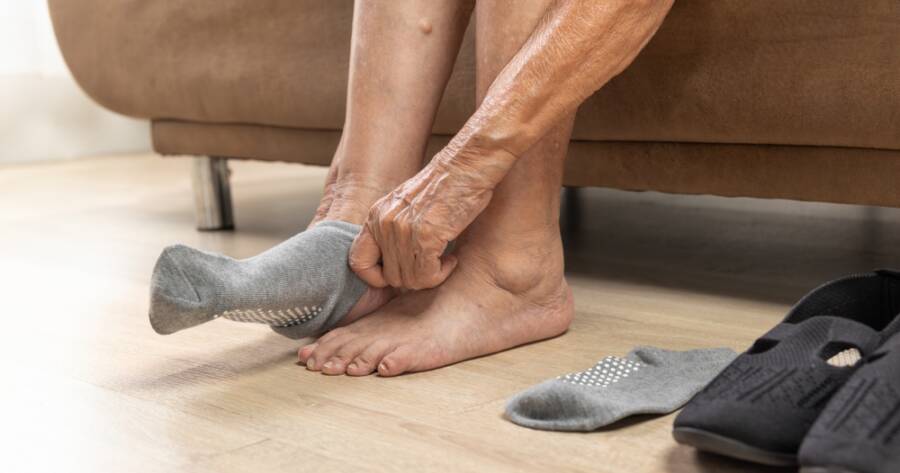
For people with diabetes, the right socks and footwear can be an important part of protecting vulnerable feet. Medicare may help pay for therapeutic shoes and inserts when specific medical requirements are met, but ordinary diabetic socks are generally handled differently. Understanding what is covered, what is usually paid out of pocket, and how the approval process works can prevent confusion and unexpected costs.
Why Foot Care Matters So Much for Diabetic Seniors
Diabetes affects circulation and nerve function throughout the body, but the feet are particularly vulnerable. Reduced blood flow and diminished sensation can mean that minor irritations, blisters, or pressure points go unnoticed until they develop into serious wounds (source). For older adults, this risk is compounded by the natural changes that come with aging, including thinner skin, reduced flexibility, and slower healing.
Diabetic socks are designed specifically to address these concerns. Unlike standard socks, they are typically made without tight elastic bands that can restrict circulation, and they use moisture-wicking materials to reduce the risk of fungal infections and skin breakdown (source). Seamless construction minimizes friction that could cause sores on feet that may already have reduced sensitivity. For many seniors, wearing the right socks is one of the simplest and most consistent forms of daily foot protection available.
The Role of Therapeutic Shoes and Inserts
While diabetic socks are a foundational element of foot care, therapeutic shoes and custom inserts take protection a step further. These are specially constructed to reduce pressure on vulnerable areas of the foot, accommodate deformities, and lower the risk of ulcers and amputations. They are not simply wider or more cushioned versions of ordinary footwear. They are medically designed items intended to address the specific biomechanical challenges that diabetes can create.
Medicare Part B covers therapeutic shoes and inserts for beneficiaries who have diabetes and severe diabetes-related foot disease (source). This is an important distinction for seniors to understand, particularly because this coverage falls under a separate category from durable medical equipment. Therapeutic footwear for diabetic patients is not classified as durable medical equipment or orthotics but rather as its own distinct coverage category under Medicare Part B (source).
What Medicare Actually Covers Each Year
The annual benefit structure under Medicare for therapeutic footwear is more generous than many seniors expect. In a single calendar year, a beneficiary can receive either one pair of custom-molded shoes or one pair of extra-depth shoes. In addition to the shoes, Medicare covers multiple pairs of inserts. Those who receive extra-depth shoes are eligible for up to three pairs of inserts, while those who receive custom-molded shoes may receive up to two additional pairs of inserts (source).
On the cost side, once a beneficiary meets the Part B deductible, they are responsible for 20 percent of the Medicare-approved amount, provided their supplier accepts assignment (source). For many seniors, this can translate into significant savings compared to purchasing specialized footwear entirely out of pocket.
It’s important to note that diabetic socks are different. Medicare’s therapeutic footwear benefit covers qualifying shoes, inserts, and certain shoe modifications, but ordinary diabetic socks are not included in the standard benefit. Seniors who choose specialized socks for moisture management, reduced friction, or a nonbinding fit should generally expect to purchase them separately unless another specific insurance benefit applies (source).
How the Approval Process Works
To access this benefit, two separate providers must be involved. The physician managing the beneficiary’s diabetes must certify that the specialized footwear is medically necessary. A separate qualified provider, such as a podiatrist, must then order the shoes or inserts (source). This two-step process ensures that the need is properly documented and verified before coverage is granted.
Documentation is not simply a formality. Data from the Medicare Fee-for-Service reporting period shows that insufficient documentation was responsible for 85.5 percent of improper payments related to diabetic footwear, contributing to a projected improper payment amount of $35.7 million and an improper payment rate of 47.1 percent (source). These numbers highlight how critical it is for both providers and seniors to ensure that all required paperwork is properly completed and retained.
Connecting Diabetic Socks to the Bigger Picture
Diabetic socks fit into a broader foot care strategy that also includes regular podiatry visits, proper nail care, and daily inspection of the feet. When combined with therapeutic shoes and inserts covered through Medicare, a comprehensive approach to foot health becomes far more accessible for seniors on fixed incomes.
Seniors who are already working with a diabetes care physician are often well-positioned to ask about eligibility for the Medicare therapeutic footwear benefit. A straightforward conversation with a primary care doctor or endocrinologist can determine whether the qualifying criteria are met and set the documentation process in motion. Understanding that this benefit exists, and that it is distinct from other Medicare coverage categories, is often the first and most important step.
Why Seniors With Diabetes Should Learn More About Diabetic Footwear Coverage
Foot complications are among the most serious and costly consequences of poorly managed diabetes, but they are also among the most preventable. Diabetic socks offer everyday protection that costs little and requires no prescription. Therapeutic shoes and inserts, when covered by Medicare Part B, bring medical-grade protection within reach for eligible seniors.
The combination of proper daily foot care and professional-grade footwear can meaningfully reduce the risk of wounds, infections, and hospital visits. Seniors who are unaware of their Medicare footwear benefits may be missing an opportunity to protect both their health and their budget. Speaking with a healthcare provider about eligibility and documentation requirements is a practical step that could make a lasting difference.