

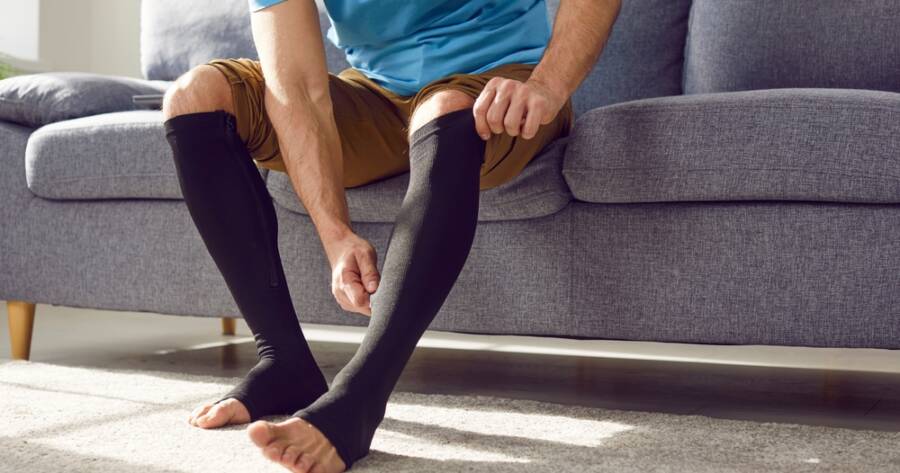
Proper foot care is an essential part of managing diabetes, especially for people experiencing circulation problems or reduced sensation. Choosing the right socks can help protect vulnerable feet, improve comfort, and reduce certain complications. Understanding how diabetic socks differ from compression socks, when each is appropriate, and which daily habits support foot health can make a difference.
Why Foot Care Matters So Much for People with Diabetes
Diabetes creates a unique set of challenges for the feet and lower limbs. Elevated blood sugar levels over time can damage blood vessels, which reduces circulation to the legs and feet and weakens the body’s natural ability to fight infection and recover from wounds (source). This combination of reduced blood flow and slower healing creates conditions where even a minor blister or small cut can develop into something far more serious.
What makes this particularly challenging is that nerve damage — a common complication of diabetes — can reduce sensation in the feet. This means a person may not feel a wound forming or worsening. Even those who have been recently diagnosed may already have early-stage nerve damage or microvascular disease that places their feet at higher risk of complications (source). Taking proactive steps early, rather than waiting for symptoms to become serious, is a core principle of effective diabetic foot care.
What Sets Diabetic Socks Apart
Diabetic socks are purpose-built to reduce the risk of foot injuries. Their defining characteristics include minimal seaming to avoid friction points, added padding for cushioning, and moisture-wicking materials that draw perspiration away from the skin (source). Each of these features addresses a specific vulnerability: seams can create pressure sores, friction can cause blisters, and trapped moisture can break down skin and invite infection.
When it comes to fabric, synthetic materials and wool are recommended over cotton because they do a better job of pulling moisture away from the foot (source). Keeping the skin dry is not merely a comfort consideration — it directly affects the skin’s structural integrity and its resistance to bacterial and fungal growth. For someone managing diabetes, these details are not trivial.
Understanding Compression Socks and Their Role
Compression socks work differently from diabetic socks. Rather than focusing on protection and moisture control, they apply calibrated pressure to the legs and feet to actively promote blood circulation and reduce swelling (source). This makes them useful for people who spend long hours on their feet, experience leg fatigue, or have conditions involving fluid retention or venous insufficiency.
However, compression socks carry an important nuance for people with diabetes. Many compression products include warnings stating they may not be appropriate for diabetic patients, because the added pressure could further restrict blood flow to areas that are already experiencing reduced circulation (source). This does not mean compression socks are always off-limits, but it does mean a healthcare provider should be part of the decision.
Medical professionals may recommend compression socks for diabetic patients who have venous insufficiency, leg or foot swelling, a history of deep vein thrombosis, or those who are on their feet for extended periods (source). In these cases, the circulatory benefits of compression may outweigh the risks — but that assessment belongs to a qualified provider, not a general product label.
Building a Stronger Foot Care Routine
Sock selection is just one component of a broader foot care strategy for people living with diabetes. Daily foot inspection is essential, since nerve damage can prevent a person from feeling discomfort that would otherwise signal a problem. Checking between toes and along the sole for redness, swelling, or breaks in the skin can catch issues early, before they escalate.
Footwear choices extend beyond socks. Properly fitted shoes that do not create pressure points are just as important as the socks worn inside them. Combining well-fitted footwear with the right sock type creates a protective environment for feet that are already operating under increased risk. A coordinated, team-based approach to diabetic foot management has been shown to significantly reduce the rate of serious outcomes — research has documented that a multi-disciplinary care model produced more than a 30% drop in major amputations (source).
Moisture control, padding, proper fit, and medical oversight are not separate concerns — they are interconnected elements of a system designed to keep diabetic feet healthy. Each choice, from fabric type to compression level, feeds into the larger picture of prevention and long-term wellness.
Why You Should Learn More About Diabetic Foot Care
Diabetic foot health is a topic where small decisions carry real consequences. Choosing between diabetic socks and compression socks is not simply a matter of comfort — it involves understanding how each type interacts with the body’s circulatory and neurological changes associated with diabetes. Consulting with a healthcare provider before making changes to a foot care routine is always the recommended path.
Whether someone is newly diagnosed or has been managing diabetes for years, staying informed about protective footwear and daily care habits supports a better quality of life and helps reduce the risk of complications that can be difficult to reverse.