

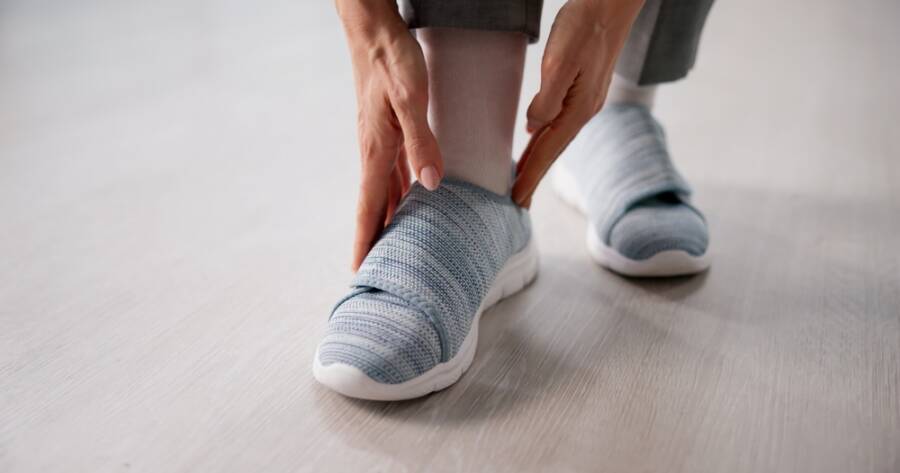
For people living with diabetes, footwear can play an important role in protecting feet from pressure, friction, and injuries that may be difficult to detect. Neuropathy, poor circulation, and changes in foot shape can increase the risk of complications. Diabetic and therapeutic shoes use specialized features designed to improve fit, reduce pressure, and support safer everyday movement.
Why Ordinary Shoes Fall Short for Diabetic Feet
Diabetes affects the body in ways that make standard footwear genuinely problematic. Nerve damage, known as peripheral neuropathy, can reduce a person’s ability to feel sensations including pain, heat, and cold, which means an injury such as a cut or blister may go unnoticed until it becomes infected (source). That delayed awareness is what transforms a minor irritation into a serious medical concern.
Beyond sensation loss, nerve damage can actually alter the physical shape of a person’s feet and toes over time, which makes conventional shoes uncomfortable and potentially harmful rather than supportive (source). A shoe designed without these changes in mind can create pressure points, restrict circulation, and cause trauma the wearer never feels until significant damage has occurred.
The Core Features That Set Diabetic Shoes Apart
Diabetic shoes are engineered around a specific set of protective priorities (source). Depth construction is one of the most fundamental. Extra vertical space inside the shoe accommodates both foot deformities and custom inserts without pressing down on sensitive tissue. This added room helps distribute pressure more evenly across the foot rather than concentrating it on vulnerable spots.
The interior of a well-designed diabetic shoe is typically seamless or features minimal stitching. Because nerve damage means pressure and friction may not register as discomfort, even a small seam rubbing against the skin repeatedly can eventually cause a wound. Seamless linings remove that risk by eliminating interior surfaces that could abrade the foot over hours of wear.
Rocker or roller sole configurations are another hallmark of therapeutic footwear. These sole designs shift how the foot moves through each step, reducing the amount of pressure placed on the ball of the foot and toes at the moment of toe-off. Medicare’s coverage standards for therapeutic diabetic footwear explicitly recognize rigid rocker bottoms, roller bottoms, metatarsal bars, wedges, and offset heels as medically relevant shoe modifications (source), which reflects how consistently these features appear in clinical recommendations.
Wide and extra-wide toe boxes are also a standard feature of diabetic footwear. They prevent the toes from being compressed against one another, a concern that becomes especially important when circulation is already compromised. Reduced blood flow means healing takes longer, so preventing skin breakdown from the start is always preferable to treating it afterward.
The Role of Custom and Therapeutic Inserts
The insole inside a diabetic shoe does a significant share of the protective work. Therapeutic inserts are designed to cushion, redistribute plantar pressure, and support the foot’s natural architecture. For individuals whose feet have changed shape due to neuropathy or prior complications, custom-molded inserts can address contours that off-the-shelf options simply cannot match.
Medicare recognizes the medical importance of these inserts within its coverage framework for diabetic footwear. Qualifying individuals may receive one pair of depth shoes along with multiple pairs of inserts within a calendar year, or alternatively, a pair of custom-molded shoes with additional insert pairs (source). The conditions that qualify a person for this benefit include peripheral neuropathy with callus formation, foot deformities, poor circulation, a history of foot ulcers, or prior amputation (source).
Daily Habits That Work Alongside Proper Footwear
Diabetic shoes perform best when paired with attentive daily habits. Inspecting the interior of a shoe before putting it on is a recommended practice, since small objects like pebbles or debris can cause injuries that a person with neuropathy may not immediately feel (source). That brief check takes only seconds but removes a common source of foot injury.
Proper fit remains essential. Shoes that pinch the toes or rub at the heel create injury risks that therapeutic construction alone cannot overcome. When standard sizing does not provide a comfortable, non-constricting fit, specialized therapeutic footwear or physician-recommended inserts may offer a better solution (source). Regular foot examinations by a healthcare provider also help catch changes before they escalate into more serious complications.
Why You Should Learn More About Diabetic Shoes Today
Diabetic shoes are purpose-built to address the specific vulnerabilities that diabetes creates in the feet, from reduced sensation to structural changes and circulation challenges. The features that define this category of footwear, including depth construction, seamless interiors, pressure-redistributing soles, and therapeutic inserts, each target a real and documented risk.
Understanding how these features function helps individuals with diabetes and their caregivers make better-informed footwear decisions. Exploring options with a qualified healthcare provider or podiatrist, and understanding what insurance coverage may apply, can open doors to footwear that actively supports long-term foot health rather than simply covering the feet.