

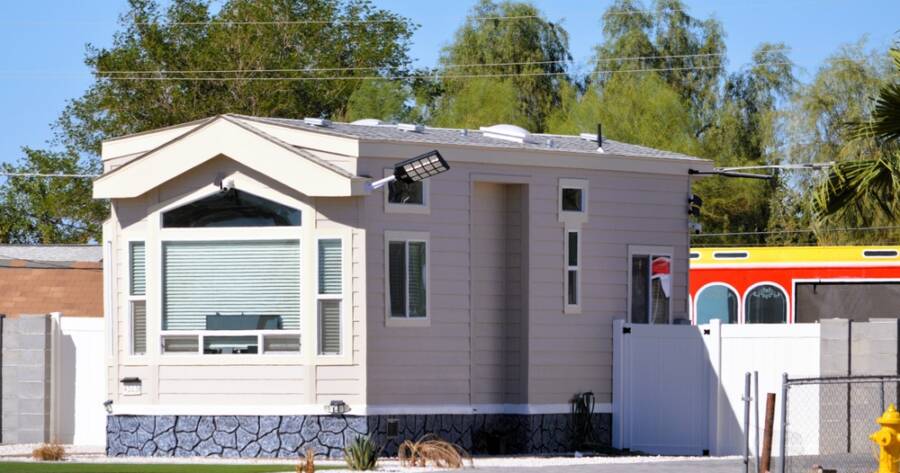
As families across the United States reconsider how best to care for aging loved ones, a growing number are turning to granny pods. The innovative housing solution balances independence, safety, and closeness in a way traditional senior care rarely offers.
What Exactly Is a Granny Pod?
A granny pod is a small, self-contained dwelling unit designed to be installed on the property of a family member’s home, typically in the backyard. Unlike a standard guest house or converted garage, these structures are purpose-built with the needs of older adults in mind. They offer seniors their own private living space while keeping them within easy reach of family support.
One of the most recognized versions of this concept is the MEDCottage, a portable unit that comes equipped with medical-grade features to support aging in place. Designed as a practical, comfortable alternative to nursing homes, the MEDCottage brings senior care directly into the family environment rather than relocating elderly individuals to institutional settings (source).
Safety Features Built Into Modern Granny Pods
What sets medically equipped granny pods apart from standard accessory dwelling units is the level of thoughtful design built into every corner of the space. The MEDCottage, for example, incorporates grab bars, illuminated floorboards, and security cameras as standard features, all working together to reduce fall risks and allow family members to monitor a senior resident remotely (source).
These smart-home safety elements make a significant difference for seniors who may have mobility challenges or require regular oversight. Rather than relying entirely on outside caregivers, families can take a more hands-on role in day-to-day monitoring while still allowing their loved one to maintain a sense of personal space and dignity. The combination of technology and accessible design transforms what might otherwise be a simple backyard structure into a fully functional senior living environment.
Beyond standard safety features, granny pods can be configured to accommodate specific medical conditions or varying degrees of mobility limitation. This adaptability makes them suitable for a wide range of seniors, from those who are largely independent but benefit from proximity to family, to those who require more consistent daily assistance (source).
Why Granny Pods Are Growing in Popularity
The appeal of granny pods extends well beyond their practical features. At their core, they represent a shift in how American families are thinking about elder care. Rather than defaulting to assisted living facilities or nursing homes when a parent or grandparent needs support, more households are exploring options that preserve family bonds and allow seniors to age with greater autonomy.
Granny pods and accessory dwelling units have experienced considerable growth across numerous U.S. cities, driven by a combination of supportive zoning changes and the increasing size of the country’s older population (source). Local governments in several regions have revised land use regulations to make it easier for homeowners to add secondary dwellings to their properties, opening the door for more families to pursue this option.
Cost is another meaningful factor. Traditional senior care facilities can carry substantial monthly expenses, whereas a granny pod represents a one-time investment that keeps a family member close without the recurring costs of institutional care. Positioning these structures as a financially practical alternative to nursing homes has helped accelerate their adoption among middle-income families across the country (source).
Cities Leading the Granny Pod Trend
The growth of granny pods has not been uniform across the country. Certain metropolitan areas have seen the sharpest increases in ADU installations, largely because local zoning frameworks have become more accommodating and because those cities are home to large and rapidly aging populations (source). These cities are increasingly being studied as models for how urban housing policy can adapt to meet the demands of demographic change.
The broader implication is that granny pods are no longer a niche solution found only in rural or suburban settings. They are becoming a recognized part of the senior housing conversation in major American cities, with urban planners and housing advocates alike acknowledging their role in addressing the growing need for flexible, family-centered elder care.
A Family-Centered Approach to Elder Care
Perhaps the most compelling aspect of granny pods is what they represent emotionally and relationally for families. Aging parents or grandparents can maintain a private living environment while remaining deeply connected to the daily rhythms of family life. Children and grandchildren are nearby without the boundary-erasing dynamic that can come from sharing a single living space.
This proximity-with-independence model addresses a genuine tension many families face: how to provide meaningful support for an aging loved one without compromising anyone’s sense of privacy or independence. Granny pods offer a structural answer to that question, and their continued growth suggests that many families are finding the answer compelling.
Learn More About Granny Pods for Senior Living
Granny pods are reshaping what senior living can look like in the United States. By combining safety-focused design, personal independence, and family closeness, they offer an alternative to institutional care that resonates with a growing number of households. As zoning laws continue to evolve and awareness spreads, more families are likely to consider this option when planning for the care of an aging loved one.
Understanding the full range of available senior housing solutions, including accessory dwelling units and medically equipped pods, allows families to make thoughtful, informed decisions that reflect both practical needs and personal values. The more families know about options like the MEDCottage and similar structures, the better prepared they are to choose a path that truly serves their loved one’s well-being.