

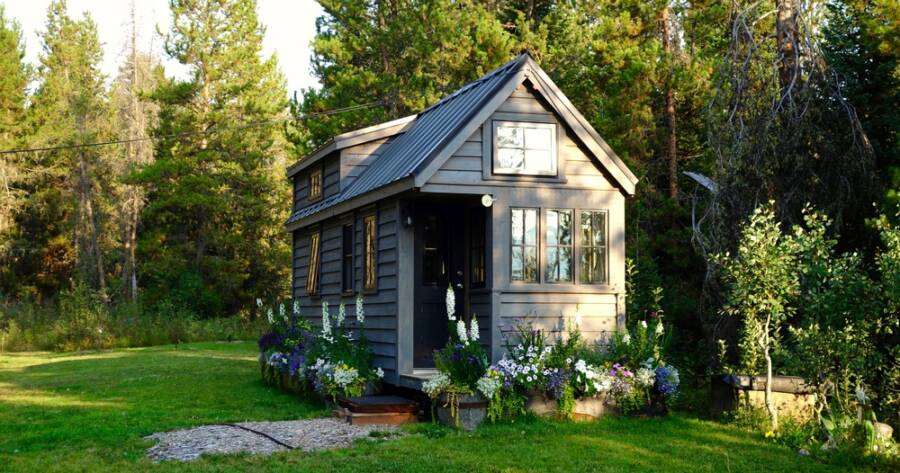
As families search for ways to keep aging loved ones close without sacrificing independence, a quiet revolution is taking shape in backyards across America — compact, purpose-built homes designed specifically for senior living.
What Exactly Is a Granny Pod?
A granny pod is a small, self-contained dwelling constructed to house an older family member, typically placed in the backyard of a relative’s property or created by converting an existing space such as a garage, guest house, or cottage (source). Unlike simply moving a parent into a spare bedroom, a granny pod offers a distinct living space — complete with its own amenities — that allows seniors to maintain a meaningful degree of personal independence while remaining physically close to the people who care for them.
These structures go by several names depending on the region and context. Some are referred to as elder cottages or ECHO units, which stands for Elder Cottage Housing Opportunity. According to the New Jersey Division of Aging Services, ECHO units are described as “small, removable modular cottages placed in a back or side yard of a home, specifically designed to meet the needs of older or disabled people, permitting an older person to live independently but close to people who are concerned about them” (source). Whether called a granny pod, an ECHO unit, or an accessory dwelling unit (ADU), the fundamental concept remains the same: proximity with privacy.
The Appeal of Backyard Senior Living
The attraction of granny pods extends beyond simple convenience. For seniors, maintaining autonomy while aging can have a profound impact on emotional well-being. Living in a separate structure — even one just steps from the main house — preserves routines, personal space, and a sense of ownership over daily life. For families, having an elderly parent or grandparent nearby reduces anxiety about emergencies and makes caregiving far more manageable.
Accessory apartments and elder cottages share a common set of advantages: they offer economic, social, and security benefits that allow older persons to live with independence while remaining close to family members who provide support (source). This balance — independence without isolation — is at the heart of why granny pods have grown in popularity as a senior housing solution across the United States.
Another key advantage is adaptability. Granny pods can be customized with senior-friendly features like nonslip floors, wide doorways, and emergency alert systems, promoting safety and accessibility (source). These tailored design elements make a significant difference for older adults who may have mobility limitations or health conditions that require thoughtful environmental accommodations.
Costs and Practical Considerations
The financial investment involved in setting up a granny pod varies considerably based on size, location, and the specific features included. On average, installing a granny pod can cost anywhere between $20,000 and $100,000 or more, depending on the size, installed features, and the location in which you live (source). Families should factor in not just construction or purchase costs but also ongoing utility expenses, maintenance, and any modifications needed over time as the senior’s needs evolve.
One practical advantage of modular designs is their reversibility. ECHO units are connected to the utilities of the primary dwelling and can be fashioned to match or complement the main house, and are designed to be removed when no longer being used (source). This means that the installation need not be a permanent change to the property — a meaningful consideration for homeowners thinking about long-term flexibility.
Zoning, Regulations, and Legal Requirements
Before a family moves forward with any granny pod project, understanding local laws is essential. Many states categorize granny pods as accessory dwelling units (ADUs), and while ADUs are legal in most states, it is essential to check with local zoning or building departments to understand area-specific regulations, permits, and requirements (source). Regulations can vary dramatically from one municipality to the next, covering everything from minimum lot sizes to setback requirements and utility connections.
In some communities, zoning changes may be necessary to permit the use of elder cottage-type temporary housing in residential neighborhoods, and units can be bought or leased (source). Families are strongly encouraged to consult with local planning authorities early in the process to avoid costly missteps. Engaging a contractor familiar with ADU construction in the area can also help streamline the permitting process and ensure the structure meets all safety standards.
Is a Granny Pod the Right Choice?
Every family’s situation is different, and a granny pod is not a universal solution. For families with suitable outdoor space, a willing senior, and the financial resources to invest in a quality structure, it can represent an outstanding middle ground between full independence and more intensive care arrangements. The ability to customize the space — from accessibility features to aesthetic choices that help the pod blend with the surrounding property — gives families significant control over the outcome.
For seniors themselves, the prospect of moving into a granny pod can feel far less daunting than transitioning to a facility. Remaining in a familiar neighborhood, keeping pets, maintaining personal belongings, and sharing meals with family on a chosen schedule all contribute to a higher quality of life. The granny pod model respects both the dignity of the older adult and the practical needs of the broader family unit.
Why You Should Learn More About Granny Pods Today
Granny pods represent a thoughtful, flexible approach to senior housing that is gaining momentum across the United States. They address a real and growing need: how families can support aging loved ones without removing the independence that defines a fulfilling life. From the design features that prioritize safety to the modular structures that can be removed when circumstances change, granny pods offer genuine solutions to complex caregiving challenges. Families considering this path will benefit from researching local zoning laws, consulting experienced builders, and speaking openly with the seniors involved about their preferences. Taking the time to understand all aspects of this housing option — legal, financial, and personal — positions families to make confident, informed decisions about elder care that honor everyone involved.