

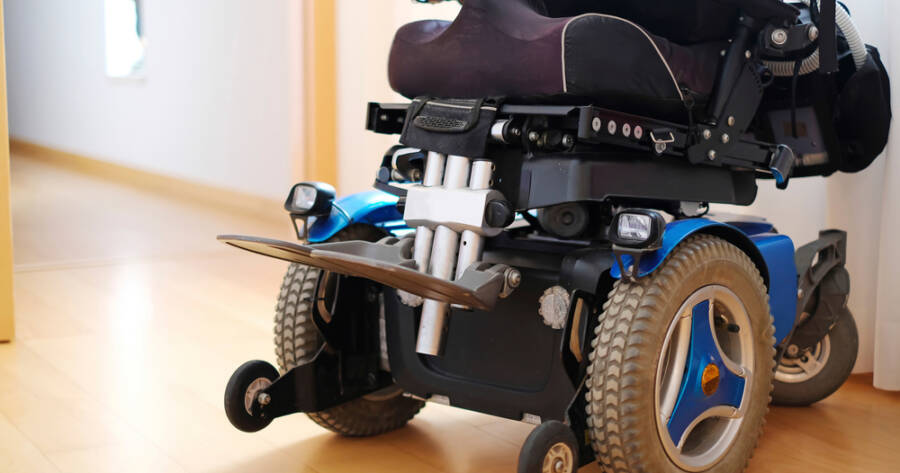
For Americans who rely on mobility scooters to maintain independence, understanding how Medicare may help cover the cost is essential. Coverage is available, but navigating the eligibility rules, documentation requirements, and cost-sharing details takes careful preparation.
What Medicare Covers When It Comes to Mobility Scooters
Medicare Part B treats mobility scooters as Durable Medical Equipment (DME), which means they fall under a specific set of rules that govern how and when benefits apply (source). This classification is important because it determines the pathway a beneficiary must follow to receive coverage, from the initial doctor visit through the final equipment delivery.
Medicare Part B covers power wheelchairs and scooters only when they are medically necessary (source). This means a beneficiary cannot simply request a scooter and expect automatic approval. The medical need must be clearly demonstrated and supported by clinical documentation from a licensed treating provider.
It is also worth noting that Medicare Part B covers the rental or purchase of power mobility devices, including scooters, when used primarily in the home (source). This distinction matters because Medicare’s focus is on whether the device supports the beneficiary’s mobility within their living environment, not exclusively for outdoor or recreational use.
The Steps Required Before Coverage Begins
Before Medicare will cover a power wheelchair or scooter, the beneficiary must undergo a face-to-face examination with a treating provider, who must then issue a written prescription (source). This step is non-negotiable and cannot be skipped or substituted with older medical records alone. The examination must be conducted by the treating physician who will certify the medical necessity of the device.
Once a prescription is in hand, beneficiaries should pay close attention to who supplies the equipment. Both the treating physician and the DME supplier must be enrolled in Medicare, or the claim may be denied (source). This is a common and avoidable reason why coverage requests fail. Verifying enrollment status before proceeding can save significant time and frustration.
For certain types of power wheelchairs, Medicare may also require prior authorization before agreeing to cover costs (source). This process, sometimes called prior approval, means that the claim must be reviewed and approved by Medicare before the equipment is delivered. Beneficiaries should confirm with their supplier whether prior authorization applies to the specific device being prescribed.
Understanding the Cost-Sharing Structure
Medicare coverage does not mean zero out-of-pocket costs. Once a beneficiary meets the Part B deductible, they are responsible for paying 20% of the Medicare-approved amount, provided the supplier accepts assignment (source). Accepting assignment means the supplier agrees to charge only the Medicare-approved rate, which protects the beneficiary from inflated billing.
If a supplier does not accept assignment, out-of-pocket costs can be higher. Beneficiaries should ask their DME supplier directly about their billing practices before committing to any equipment. Understanding these financial details upfront helps avoid unexpected charges after the fact.
Documenting Medical Necessity Effectively
One of the most significant reasons mobility scooter claims get denied is insufficient documentation of medical necessity. Practical steps exist to help beneficiaries build a strong case, including thorough record-keeping of the treating physician’s clinical findings and a clear explanation of why the scooter is necessary for functioning within the home (source).
Beneficiaries should work closely with their treating physician to ensure the written prescription and supporting records accurately reflect the limitations that make a scooter medically necessary. Vague or incomplete documentation is a leading cause of claim denials, and appeals can be lengthy. Investing time in thorough documentation at the outset is far more efficient than challenging a denial after the fact.
It also helps to keep personal records of any communications with the supplier and Medicare, including dates, names, and reference numbers. Having a clear paper trail supports the claim and provides useful information if any disputes arise.
Learn More About Medicare Coverage for Mobility Scooters
Medicare coverage for mobility scooters is genuinely accessible, but only for those who understand how to navigate the process correctly. From confirming medical necessity and completing the required face-to-face examination to verifying supplier enrollment and managing cost-sharing responsibilities, each step carries real consequences for coverage outcomes.
Beneficiaries who take time to understand the eligibility requirements, documentation standards, and billing expectations are far better positioned to access the equipment they need. Staying informed about the rules that govern DME coverage under Medicare Part B can make a meaningful difference in both financial outcomes and quality of life.